Downsizing Without Downgrading: How to Design a Smaller Home for Your Next Chapter


Downsizing sounds like a real-estate decision.
For most of my clients, it isn’t. IT’S A LIFE DECISION.
You’re deciding what follows you into the next chapter—and what doesn’t : The dining table where every holiday happened. The chair you’ve had for thirty years. Artwork collected over time. Furniture inherited from your parents. Rooms that once had a purpose but now sit mostly unused.
And somewhere in the middle of all of that is an exciting question: How do you want to live next?
As a downsizing interior designer in Connecticut, I think this question should come long before deciding what to sell, donate or move.
Because downsizing shouldn’t be about squeezing your old home into a smaller one. It should be about creating a home that fits your life now.
Don’t Recreate Your Old House—Design for What Comes Next
One of the biggest missed opportunities I see with downsizing is trying to recreate the previous house with fewer square feet.
- But maybe you don’t need the formal dining room anymore.
- Maybe you don’t need three guest bedrooms waiting for the few weekends a year when everyone comes home.
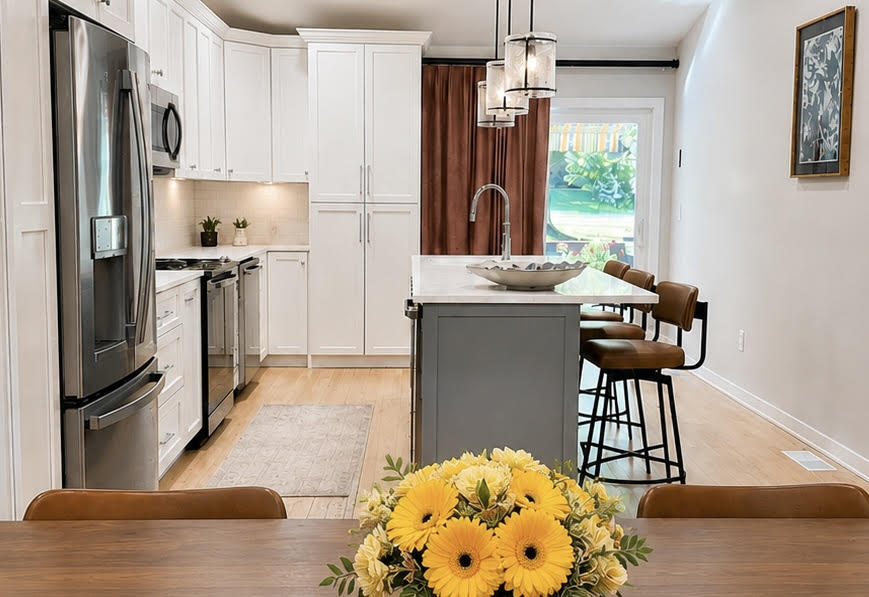
- Maybe you would rather have one beautiful guest room, a comfortable office and an open kitchen where six people can sit around the island when family visits.
- Two underused rooms might become one exceptional space.
- A large formal living room might be replaced by a smaller room you actually use every day.
Downsizing isn’t simply subtraction. It’s editing. And good editing makes what remains more valuable.
Start With How You Want to Live
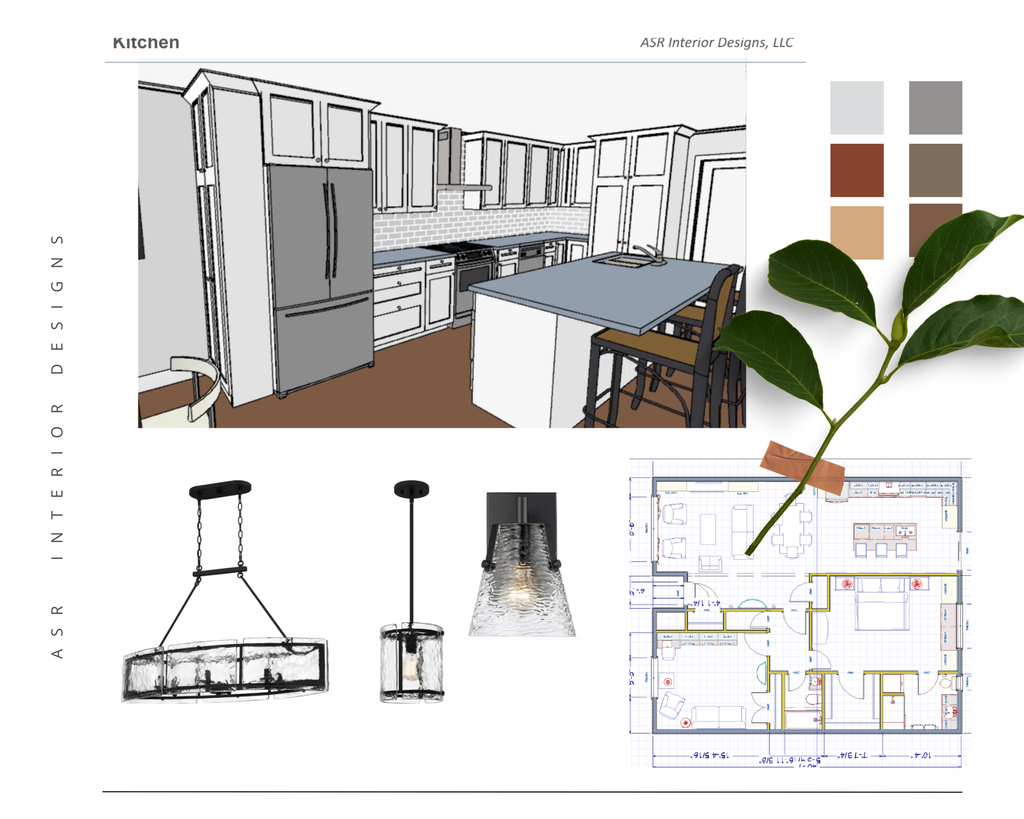
Before we decide which sofa moves or where the dining table goes, I want to understand everyday life.
- Where will you have coffee in the morning?
- Do you still work from home?
- How often does family visit?
- Do grandchildren stay overnight?
- Do you entertain?
- Do you need space for hobbies?
- Would you prefer everything you use daily on one level?
These aren’t small questions. They determine whether your new home will simply be smaller—or whether it will actually work better.
Your furniture should fit the plan for your life.
Your life shouldn’t have to fit around the furniture.
Decide What Deserves to Come With You
Downsizing doesn’t mean getting rid of everything and starting over.
Some pieces carry history.
If you love your grandmother’s chest, let’s find out whether it has a place in the new home. If a painting has followed you for thirty years and still makes you happy every time you see it, perhaps that becomes the starting point for an entire room.
But there is also furniture we keep simply because we’ve always had it. This is where thoughtful downsizing home design becomes very practical.
Before moving, I like to separate the question “Does it fit?” from “Does it deserve space in this next home?”
Those are two very different things. The goal isn’t to erase your previous life. It is to bring forward the parts of it that still matter.
Measure Before the Moving Truck Arrives
A sofa can technically fit inside a room and still be completely wrong for the space.
Before moving larger pieces, measure more than the walls. Consider doorways, windows, circulation, sightlines, furniture scale and how the room connects to adjacent spaces.
This becomes especially important when moving from a larger traditional Connecticut home into a condominium, townhouse or smaller residence.
Creating a furniture plan before the move can prevent paying to move pieces that ultimately don’t work.
It also shows us where something new might make much more sense.
Renovate Before You Move In—If You Can
This is one of the most important pieces of advice I give clients considering a downsizing renovation.
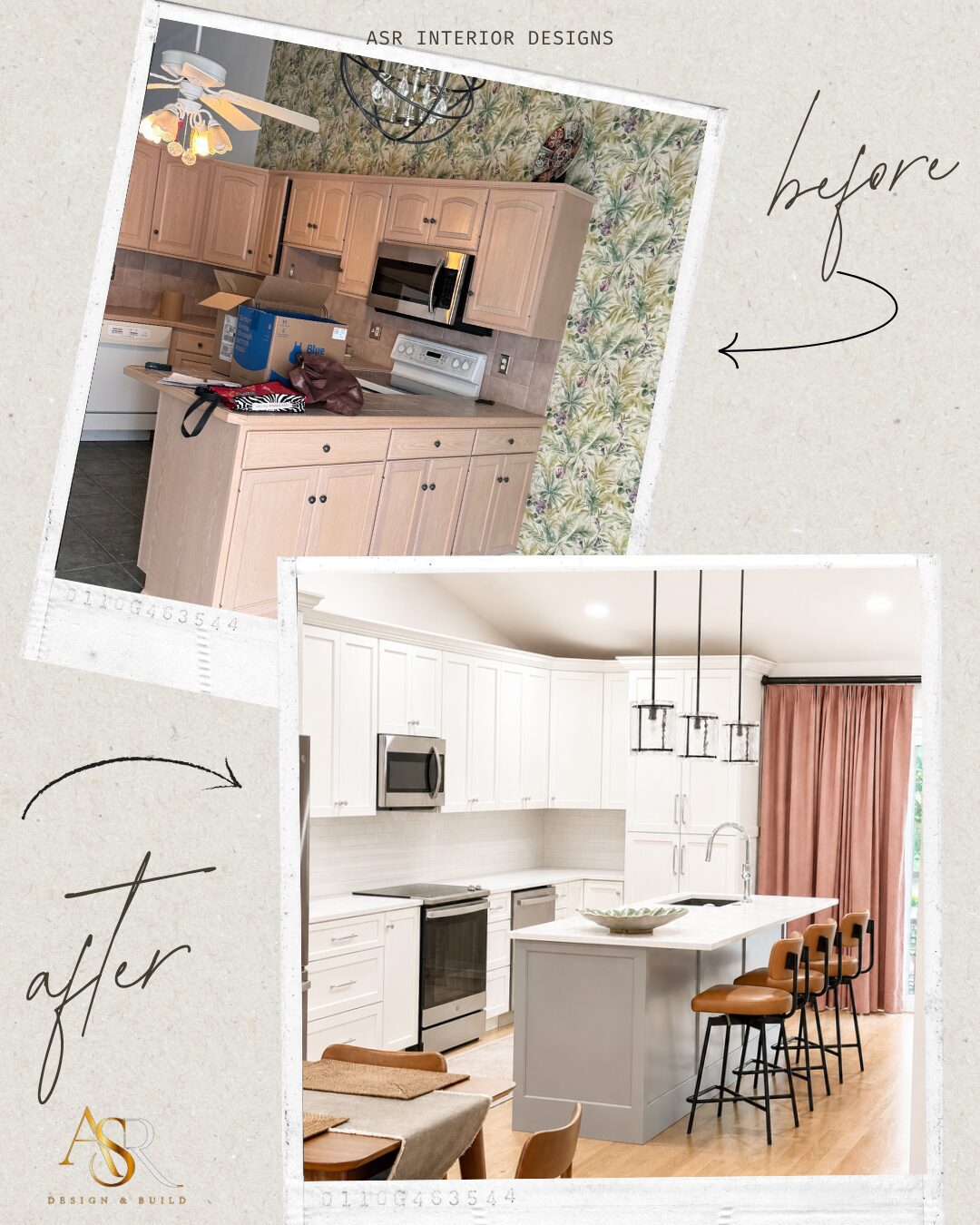
If you already know the new home needs work, try to address the major changes before the boxes and furniture arrive.
- Maybe the kitchen layout doesn’t work.
- Perhaps two small rooms could become one beautiful living space.
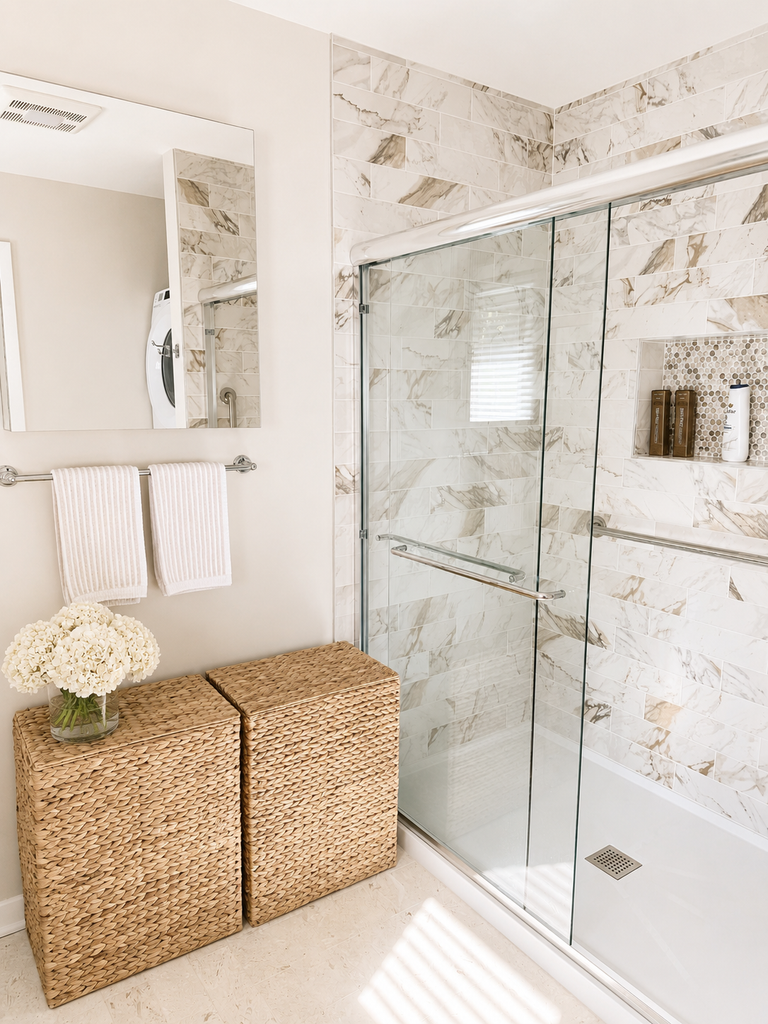
- The primary bathroom may need to be reconsidered for long-term comfort.
- Storage might be inadequate.
- Lighting may need improvement.
- Doors or walls may need to move.
Doing this work before moving in is usually much easier than living through construction after you’ve unpacked. It also allows the design, renovation and furniture plan to be considered together rather than as separate decisions.
This is where interior design, renovation planning and project management can make a downsizing transition considerably less overwhelming.
Design for the Next Ten Years, Not Just Moving Day
I don’t believe a retirement or empty-nester home needs to look like it was designed around aging. But I do believe good design should think ahead.
- Could daily living eventually happen comfortably on one level?
- Is the primary bathroom easy to use?
- Is the lighting good enough?
- Are frequently used items accessible without climbing or reaching?
- Could an office become a guest room when needed?
- Can children and grandchildren visit comfortably without maintaining empty bedrooms all year?
Thoughtful aging-in-place interior design isn’t about designing around limitations. It’s about making smart decisions now so your home continues to support your independence later.
Smaller Can Actually Feel More Luxurious
This is one of my favorite things about designing a smaller home.
When there are fewer rooms competing for the budget, you can often invest more intentionally in the spaces you use every day.
Better cabinetry. Beautiful lighting. A really comfortable sofa. Materials you love. Custom storage. A kitchen designed specifically around how you cook. A bathroom that feels wonderful every morning.
Luxury doesn’t have to mean more square footage. Sometimes luxury is having less to maintain, less you don’t need and more of what you genuinely enjoy.
Give Yourself Permission to Make the New Home Different
Your next home doesn’t have to look like the one you’re leaving.
- Your taste may have changed.
- Your routines may have changed.
- Your family has changed.
- You have changed.
And that’s exactly why downsizing can be such an interesting design opportunity.
You’re not simply moving belongings from one Connecticut address to another. You’re deciding what deserves a place in the life you’re building next.
At ASR Interior Designs, we approach downsizing as a life transition first and a design project second.
We can help you determine what should move, plan how the new home should function, identify renovations worth completing before move-in, coordinate design and construction decisions, and create a home that feels intentional from the beginning.
Because downsizing shouldn’t feel like settling for less. DONE THOUGHTFULLY, IT CAN FEEL LIKE FREEDOM.
Until next time,
♡ Anna
You navigate the life change. We manage the home change.
Leave a Reply


© 2026 ASR Interior designs

BE THE FIRST TO COMMENT