Why Does a Beautiful Room Sometimes Feel Uncomfortable? 6 Design Details That Make the Difference


You finally sit down in the living room, and within a few minutes, you’re adjusting something.: The pillow behind your back. The lamp that doesn’t quite reach your book. The coffee table you have to lean forward to use. Across the room is a chair that looks lovely but rarely gets used.
You like the furniture. The colors work together. Yet somehow, this isn’t the room everyone naturally settles into.
When I look at a living room, I’m thinking about what happens after the photos are taken. Where do you put your coffee? Can two people comfortably have a conversation? Can someone walk through without making everyone else move?
Some of the most common living room layout mistakes are easy to overlook because each piece looks perfectly good on its own. The discomfort comes from how those pieces work together.
Here are six details I pay attention to—and what to look for in your own home.
1. Furniture Scale: It Fits, but Does It Belong?
A sofa can fit along a wall and still feel too large for the room.
Its depth may push the coffee table into the walking path. Wide arms might take up valuable space without providing more seating. A tall, heavy back can interrupt the view into an adjoining room.
The opposite happens, too. Small furniture scattered through a generous living room can leave it feeling unfinished, even when there are plenty of pieces.
Before buying, consider the furniture’s full shape, not just its width.
Use painter’s tape to mark its footprint on the floor, including the depth. Then consider its height and visual weight. An open frame or raised legs can feel lighter than an equally sized piece upholstered to the floor.
And check the seat itself. A deep sofa may be wonderful for lounging but uncomfortable for someone who prefers to sit upright with their feet on the floor.
2. Walking Space: Your Room Shouldn’t Require a Detour
If you turn sideways to pass a chair or regularly walk around the coffee table to reach the sofa, the layout is asking too much of you.
This is especially noticeable in living rooms that connect the kitchen, hallway, or outdoor space. They need to accommodate both people sitting down and people passing through.
Look at the routes your family actually uses. Does the main path cut between the sofa and television? Does an ottoman block the door when everyone is seated?
Good furniture placement starts with understanding movement.
Sometimes shifting a chair or choosing a narrower side table makes a meaningful difference. In other rooms, the whole seating group needs to move.
Try walking through with a laundry basket. You’ll notice tight spots much sooner than you will by standing in the doorway and looking.
3. Rug Sizing: A Small Rug Can Make Everything Feel Disconnected
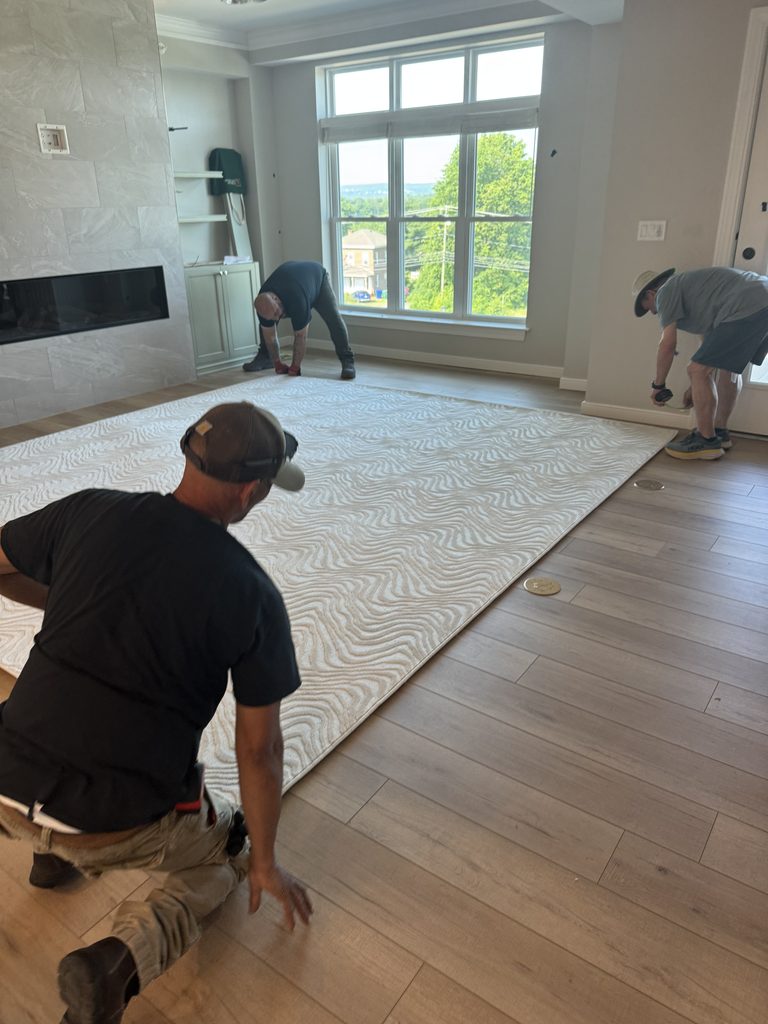
Living room rug size affects how the entire seating area comes together. When a small rug sits beneath only the coffee table, the sofa and chairs can look as though they’re gathered around something they don’t quite belong to.
For many arrangements, a useful starting point is a rug large enough for the front legs of the sofa and main chairs to rest on it. A larger room may allow all the furniture legs to sit on the rug.
Choose the size around the seating arrangement, rather than the empty space in the middle.
Before ordering, tape out the rug dimensions. Check how it relates to every seat, nearby doors, and the walking paths around it.
4. Lighting Layers: One Ceiling Fixture Has Too Many Jobs
An overhead fixture can be a beautiful focal point. But in the evening, its light can feel too harsh when you simply want to relax.
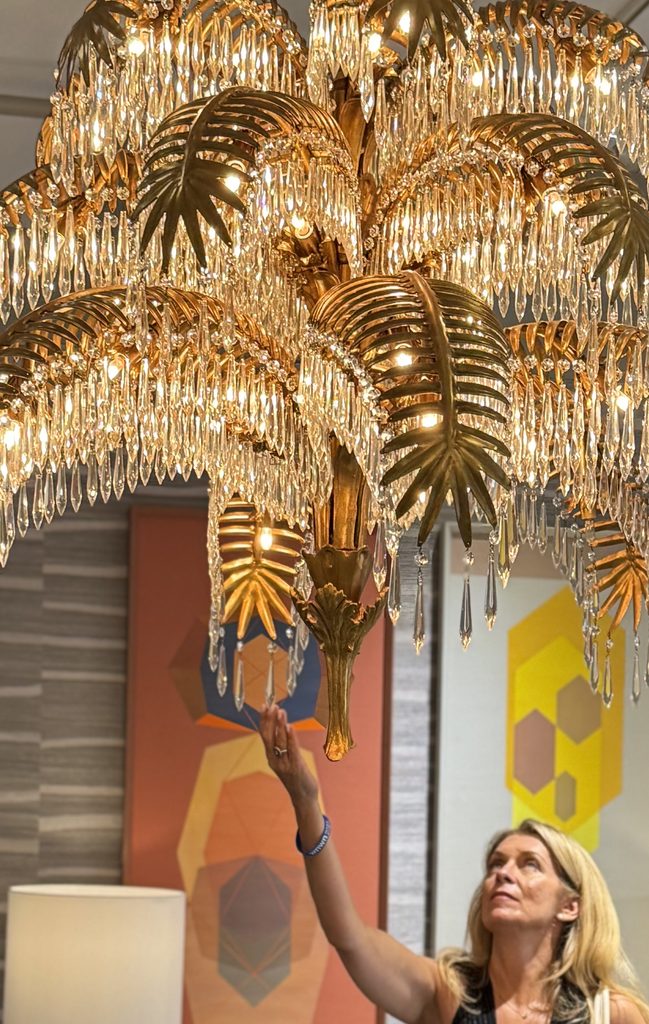
The most useful living room lighting ideas begin with activities. Start with the seat you use most.
- Can you read there comfortably?
- Can you reach the switch?
- Does the bulb shine directly into your eyes?
You need general light to move around, focused light for reading, and softer light that gives the room warmth and depth. Table lamps, floor lamps, and wall lights can contribute in different ways.
Several thoughtfully placed light sources give you more control over how the space feels throughout the day.
5. Seating Arrangements: Enough Seats Isn’t the Same as Comfortable Conversation
Pushing every piece against a wall can leave people sitting too far apart.
A room may technically seat six, but if guests have to raise their voices or turn awkwardly to speak, it won’t feel especially welcoming.
Think about how you want to spend time there. Watching television, talking with friends, reading, and playing games may call for slightly different arrangements.
Chairs angled toward the sofa can make conversation easier. A side table within reach makes a seat more useful. Moving the sofa away from the wall may help create a more connected seating area.
Give each seat a reason to be there. If a chair is always empty, try sitting in it yourself. The view, lighting, or distance from everyone else may explain why.
6. Visual Balance: Your Eye Needs Somewhere to Rest
Sometimes a room feels uncomfortable even when you can move through it easily. One side may hold a dark sofa, a tall cabinet, and heavy curtains, while the other has a small chair and a blank wall. Or every surface may contain something interesting, leaving nowhere for your eye to pause.
Visual balance doesn’t require matching furniture on either side of the room. It comes from distributing color, height, texture, and visual weight thoughtfully.
A substantial sofa might be balanced by two chairs. A darker color can appear in smaller touches elsewhere. An open area can give a favorite piece enough space to be appreciated.
Before adding another accessory, try removing a few. Then photograph the room from the doorway. The image can make an overly crowded corner—or an unusually empty one—much easier to notice.
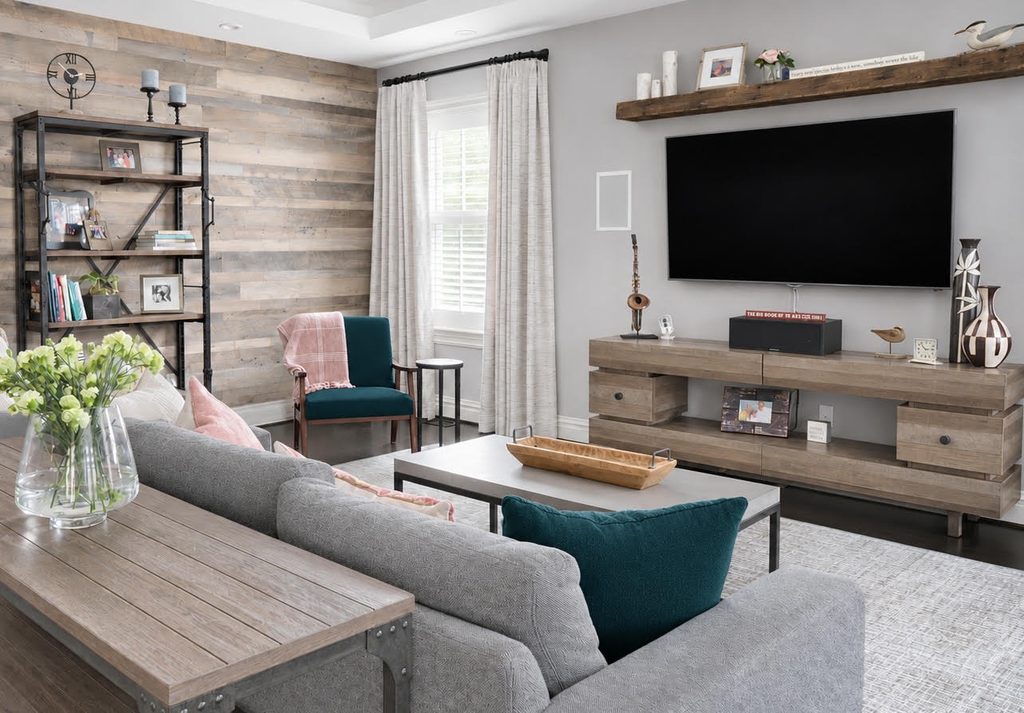
Start With the Seat You Actually Use
Before replacing anything, spend an evening paying attention.
- Where do you reach?
- What do you move?
- Which light do you wish you could switch on?
- Where does everyone choose to sit?
Those small habits reveal what a room needs.
Avoiding interior design mistakes starts with understanding how you live. The furniture, rug, lighting, and layout should support that daily experience.
That’s the thinking behind our interior design services at ASR Interior Designs.
Until next time,
♡ Anna
You navigate the life change. We manage the home change.
Leave a Reply


© 2026 ASR Interior designs

BE THE FIRST TO COMMENT